

Introduction
Web Development Services In today’s digital era, having a strong online presence is no longer optional—it’s essential. Whether you are a small startup or a large enterprise, your website is often the first point of contact for customers. This is where web development services come into play. Professional web development ensures your business stands out online, provides a seamless user experience, and supports your growth objectives. In this guide, we’ll explore everything you need to know about web development services, from types and benefits to costs, trends, and choosing the right provider.
What Are Web Development Services?

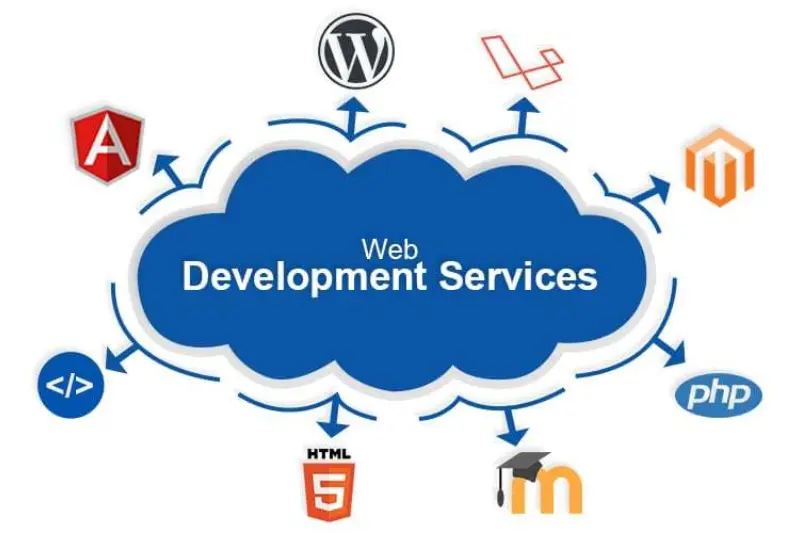
Web development services are professional solutions that focus on building, designing, and maintaining websites or web applications. They transform ideas into interactive digital platforms. A website is not just a collection of pages; it’s a tool for branding, customer engagement, and revenue generation.
Key Components of Web Development:
- Front-End Development – Handles what users see and interact with, including design, layout, and interactivity.
- Back-End Development – Manages server-side operations, databases, and website functionality.
- Full-Stack Development – Combines front-end and back-end expertise to build complete solutions.
Types of Web Development Services
Web development is diverse, catering to different business needs. Here are the most common types:
Front-End Development
Front-end developers focus on the visual and interactive aspects of a website. They ensure the site is responsive, user-friendly, and visually appealing.
Technologies Used:
- HTML, CSS, JavaScript
- React, Angular, Vue.js
- Responsive and mobile-first design techniques
Example: A travel website with interactive maps, booking forms, and animations is powered largely by front-end development.
Back-End Development
Back-end development is the backbone of any website. It handles server management, databases, APIs, and business logic.
Technologies Used:
- PHP, Python, Ruby, Java
- Node.js
- MySQL, MongoDB
Example: An e-commerce store processing orders, payments, and inventory updates relies heavily on back-end development.
Full-Stack Development
Full-stack developers manage both front-end and back-end tasks. This approach is efficient for startups or projects needing a single team for all web-related work.
Example: Platforms like LinkedIn or project management tools require seamless integration of front-end and back-end systems, making full-stack development essential.
E-commerce Web Development
E-commerce web development focuses on creating online stores and marketplaces. Features include:
- Shopping cart integration
- Payment gateways
- Product catalogs and inventory management
- Customer portals
Example: Shopify and WooCommerce are popular e-commerce solutions providing ready-made web development frameworks.
CMS-Based Web Development
Content Management Systems (CMS) like WordPress, Joomla, or Drupal allow businesses to manage content without deep coding knowledge.
Benefits:
- Easy content updates
- Themes and plugins for customization
- SEO-friendly structure
Example: A blogger can manage articles, images, and videos without relying on developers for daily updates.
Web Application Development
Web applications provide dynamic functionality beyond static websites. These applications are interactive and data-driven.
Examples:
- Social media platforms (Facebook, Twitter)
- SaaS products (Trello, Slack)
- Online banking portals
Technologies Used: React.js, Angular, Node.js, Ruby on Rails, Django
Benefits of Hiring Professional Web Development Services
Hiring professional web development services offers significant advantages:
- Customized Solutions – Tailored websites to meet your specific business needs.
- Better User Experience (UX) – Optimized design ensures smooth navigation and higher engagement.
- Mobile-Friendly Design – Responsive websites for all devices.
- SEO Optimization – Websites built with search engine best practices.
- Enhanced Security – Protection against malware, hacking, and data breaches.
- Scalability – Websites designed to grow with your business.
- Ongoing Support – Professional services provide maintenance and troubleshooting.
Cost of Web Development Services
The cost of web development depends on project complexity, features, and the technology used.
| Type of Website | Estimated Cost Range |
| Small business website | $500 – $5,000 |
| E-commerce website | $2,000 – $20,000 |
| Web application | $5,000 – $50,000+ |
| Custom enterprise site | $50,000+ |
Factors Affecting Cost:
- Custom design vs. templates
- Functionality and integrations
- Developer experience and location
- Hosting and maintenance plans
Pro Tip: Don’t just focus on price—consider quality, reliability, and post-launch support.
Latest Trends in Web Development
The web development landscape is evolving rapidly. Staying updated with trends ensures your website remains competitive.
- Progressive Web Apps (PWAs) – Websites that behave like mobile apps, offering offline access and faster loading.
- AI-Powered Websites – Chatbots, recommendation engines, and personalized user experiences.
- Single Page Applications (SPAs) – Websites that load content dynamically without refreshing pages.
- Motion UI – Engaging animations and transitions for improved UX.
- Serverless Architecture – Reduced server management, faster deployment, and better scalability.
- Voice Search Optimization – Websites optimized for voice assistants like Siri and Alexa.
How to Choose the Right Web Development Service Provider
Selecting the right service provider is crucial for your project’s success.
Checklist:
- Portfolio Review – Examine past projects for quality and relevance.
- Technical Expertise – Ensure proficiency in required technologies.
- Communication – Clear, consistent, and transparent communication.
- Cost & Timeline – Compare pricing and estimated delivery times.
- Support & Maintenance – Post-launch assistance is critical.
- Client Testimonials – Reviews indicate reliability and professionalism.
Tip: Ask for a detailed proposal and timeline before signing any contracts.
Real-Life Examples of Web Development Success
- Airbnb – Full-stack web development transformed Airbnb into a global platform for renting accommodations.
- Shopify – E-commerce web development allowed millions of small businesses to sell products online.
- Slack – Web application development with real-time collaboration features revolutionized team communication.
FAQs About Web Development Services
Q1: How long does it take to develop a website?
A: Depending on complexity, small websites may take 2–6 weeks, e-commerce sites 2–3 months, and web applications 3–6 months or more.
Q2: Can I update my website myself?
A: Yes, CMS-based websites like WordPress allow easy content updates without coding.
Q3: What is the difference between a website and a web application?
A: A website is primarily for displaying information, while a web application is interactive, allowing users to perform tasks online.
Q4: How much do web development services cost?
A: Costs range from $500 for simple websites to $50,000+ for complex web applications. It depends on features, design, and technology.
Q5: Do I need SEO while developing my website?
A: Absolutely. Integrating SEO during development ensures better visibility and organic traffic.
Q6: What technologies are used in web development?
A: Front-end: HTML, CSS, JavaScript; Back-end: PHP, Python, Node.js; Frameworks: React, Angular, Django, Ruby on Rails.
Conclusion
Investing in professional web development services is crucial for any business that wants to thrive online. From simple websites to complex web applications, professional developers ensure your platform is functional, secure, and optimized for users. By understanding types, benefits, costs, trends, and best practices, you can make informed decisions and choose the right web development partner for your business With the right approach, your website can become a powerful tool for brand visibility, customer engagement, and revenue growth.
Bonus Points: Tips for a Successful Web Development Project
- Define Your Goals Clearly – Know what you want your website to achieve.
- Focus on User Experience – Prioritize simplicity and intuitive navigation.
- Mobile-First Design – Optimize for mobile devices from the beginning.
- SEO Integration – Build websites that rank on search engines.
- Regular Updates – Keep content, plugins, and security updated.
- Analytics Tracking – Use tools like Google Analytics to measure engagement and performance.
