
Introduction:
If you’ve ever wondered how certain websites consistently dominate Google search results while others struggle to break past page three, here’s the truth: they’ve learned how to eat Google Eat Google” isn’t a cheap hack or a black-hat trick. It’s a smart, sustainable approach that focuses on mastering Google EEAT — Experience, Expertise, Authoritativeness, and Trustworthiness. When you build your content and brand around these principles, you’re not just chasing algorithms — you’re creating content Google wants to reward. This means higher rankings, more organic traffic, and real authority in your niche. we’ll break down exactly how to eat Google the right way — step by step.
What Does “Eat Google” Mean in SEO?
You May Also Like It:
Guest Posting Service Grow Your Website Authority
Write Guest Post Boost Your Website Authority
SEO Migration Service by Thealite Boost Your Rankings
The phrase “eat Google” is becoming a buzzword in modern SEO, and for good reason. It reflects a strategic shift from keyword-first tactics to trust-first content.
To “eat Google” means to understand and align with how Google evaluates content — not to fight the system, but to work with it. At the heart of this lies the Google EEAT framework.
EEAT: The Foundation of Modern SEO
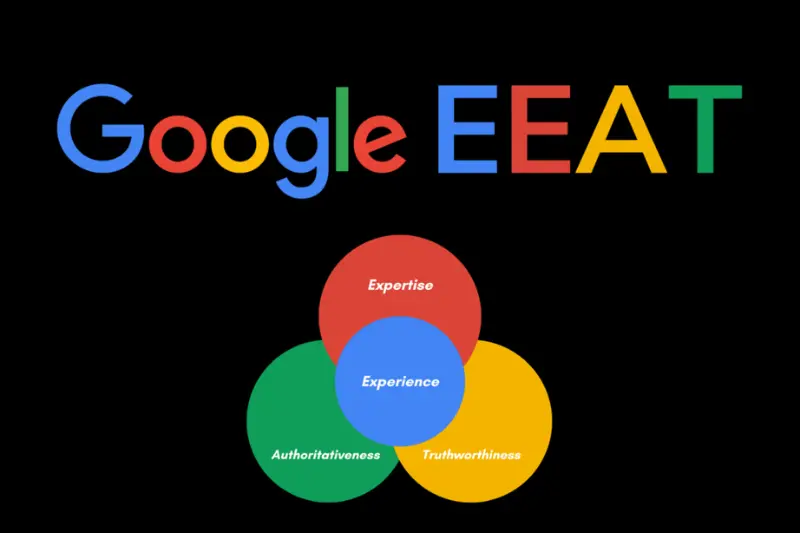
- Experience: Google favors content written by people with real, first-hand experience. This gives your content authenticity and depth.
- Expertise: Subject matter knowledge matters. Google looks for proof that the author knows what they’re talking about.
- Authoritativeness: Trusted voices get rewarded. Sites with strong reputations consistently outperform unknown sources.
- Trustworthiness: Transparency, accuracy, and reliability are essential. Without trust, nothing else works.
Example: If two blogs write about investing — one from a certified financial planner and one from a random blogger — the one with verified credentials, sources, and transparency will rank higher
Why EEAT Matters More Than Ever
Gone are the days when keyword stuffing or backlink buying could get you to the top of search results. Google’s algorithms now reward helpful, trustworthy content.
By applying EEAT, you:
- Build long-term ranking stability
- Increase user engagement and dwell time
- Earn Google’s trust — which means higher visibility
- Protect your site from unpredictable algorithm updates
| EEAT Factor | What It Means | SEO Impact |
|---|---|---|
| Experience | Real-world insights | Increases credibility and depth |
| Expertise | Professional or demonstrated knowledge | Higher trust from Google and readers |
| Authoritativeness | Strong industry reputation | Improved backlink profile and brand strength |
| Trustworthiness | Transparency and honesty | Better ranking stability and click-through rates |
How to Eat Google in 2025 — Step-by-Step Blueprint
Let’s break this down into actionable steps so you can start applying it today.
Step 1: Show Real Experience (Not Just Theories)
Google loves content that comes from people who’ve actually done the work.
Instead of writing generic how-tos, talk about:
- Your personal experiences and lessons learned.
- Real projects, case studies, or campaigns.
- Mistakes and what they taught you.
Example:
Instead of writing:
- “SEO is important for ranking.”
Write something like:
- “When we optimized our content using EEAT principles, our traffic increased by 78% in three months — without spending a dime on ads.”
That’s real, experience-based value. That’s what Google wants.
Practical Ways to Showcase Experience:
- Add author bios with personal background.
- Include original screenshots, graphs, and data.
- Share behind-the-scenes stories or workflows.
Step 2: Demonstrate Your Expertise
Anyone can write content. But not everyone can prove they’re an expert.
Google EEAT rewards content that comes from people who know their stuff — whether through credentials, deep research, or proven results.
How to Build Expertise Signals:
- Add credentials or relevant certifications in your author bio.
- Link to reputable studies and trusted external sources.
- Reference personal achievements or industry contributions.
Pro Tip: If you’re not personally the expert, collaborate with someone who is. Expert-reviewed content ranks significantly better.
Step 3: Build Authoritativeness Like a Brand
Think of authoritativeness as your online reputation score. The stronger your authority, the more Google trusts you.
But authority isn’t built overnight. It’s earned through consistency and value.
How to Build Authoritativeness:
- Earn backlinks from reputable sites in your industry.
- Publish in-depth, evergreen content that solves real problems.
- Collaborate with recognized experts and organizations.
- Be present across platforms (social, podcasts, events, etc.).
Authority builds a moat around your rankings. It’s what separates a blog post from a brand.
Step 4: Strengthen Trust — The Core of EEAT
You can have all the expertise in the world, but if your site isn’t trustworthy, Google won’t back you.
Trust is the backbone of eating Google. Without it, your rankings are temporary.
Trust-Building Tactics:
- Use HTTPS and secure hosting.
- Show clear contact information and real business details.
- Add privacy policies, terms, and disclaimers.
- Display testimonials, reviews, and third-party endorsements.
- Avoid clickbait or misleading claims.
Example: Sites with transparent author info and clear sourcing consistently perform better in YMYL (Your Money or Your Life) niches.
Step 5: Create People-First Content (Not Algorithm-First)
Google’s Helpful Content Update made it crystal clear: content that’s written just to rank won’t rank for long.
Your primary goal must be to help your audience, not game the algorithm.
Characteristics of People-First Content:
- Answers real user questions.
- Shares practical, actionable insights.
- Is well-structured, easy to read, and engaging.
- Comes from first-hand knowledge, not spun content.
| Low-Value Content | People-First Content |
|---|---|
| Keyword-stuffed fluff | Real experience, examples, and guidance |
| Generic, AI-spun text | Authored or reviewed by experts |
| No clear purpose | Solves specific user problems |
| Lacks trust signals | Transparent, credible, and helpful |
Step 6: Optimize Your Content for Google Without Losing the Human Touch
SEO still matters — but EEAT-enhanced SEO is smarter, not louder.
Smart Optimization Tips:
Use the main keyword (“eat Google”) in:
- Title
- Introduction
- At least one H2 heading
- Conclusion
Sprinkle related keywords like “Google EEAT” naturally in headers and paragraphs.
Use internal linking to build topical authority.
Add external links to authoritative, trusted sources.
Optimize your structure with clear headings (H2/H3), bullet points, and short paragraphs.
Remember: Google ranks content that’s easy for both people and crawlers to understand.
Step 7: Update and Maintain EEAT Over Time
EEAT isn’t a one-time setup. It’s a living strategy.
Google loves fresh, accurate, and reliable content, so maintaining your trust signals is key.
How to Keep Your EEAT Strong:
- Regularly update stats and references.
- Refresh old posts with new insights or case studies.
- Monitor author credentials and keep bios updated.
- Audit your site for technical trust factors (security, accessibility, mobile-friendliness).
Pro Tip: Create a content review calendar — monthly for core pages, quarterly for supporting pages.
Eat Google in Action — Real Case Study Example
Let’s look at a real-world example of a site that used EEAT to dominate search results.
Case: A Fitness Coaching Blog
- Initially published 500-word generic articles.
- Rankings were stuck on page 3–5.
- No author bios, no sources, no credibility signals.
After implementing Google EEAT:
- Added certified trainer bios.
- Included before-after client transformations.
- Linked to medical research and reputable organizations.
- Published in-depth content with original videos.
Result:
- Organic traffic grew 194% in 6 months.
- Blog posts started ranking for high-intent keywords.
- Average dwell time increased from 45 seconds to 3 minutes.
This is what happens when you eat Google the right way.
Common Mistakes to Avoid When Trying to Eat Google
Even good content can fail if these are ignored:
- Keyword stuffing without real value
- Using AI content without expert review
- Ignoring author credibility and trust signals
- Relying only on backlinks without authority building
- Neglecting content updates and freshness
These mistakes can quickly undermine your EEAT signals and push your content out of top rankings.
EEAT vs. Old SEO: A Simple Comparison
| Aspect | Old SEO Approach | EEAT SEO Approach |
|---|---|---|
| Focus | Keywords and backlinks | Trust, authority, and user experience |
| Ranking Longevity | Short-term gains | Long-term, stable rankings |
| Content Creation | Quantity-focused | Quality, experience-driven |
| Algorithm Updates | High risk | More resilient |
| User Engagement | Often low | High — thanks to credibility and trust |
Advanced EEAT Tips for Serious SEO Growth
If you’re ready to go beyond the basics, these advanced tactics can accelerate your results:
Leverage Author Entities:
- Create dedicated author pages with structured data.
- Link authors to their LinkedIn or professional profiles.
Use Structured Data Markup:
- Add schema for articles, reviews, FAQs, and products.
Get Featured on Authoritative Platforms:
- Guest posting, interviews, webinars, and industry features build authority fast.
Diversify Your Content Formats:
- Use video, podcasts, and case studies to strengthen experience signals.
Encourage Genuine Reviews:
- User-generated trust is a huge EEAT booster.
You May Also Like It:
Advanced Technical SEO in Australia Thealite Tips
High DA Guest Post Boost SEO with Quality Backlinks
Social Media Service Thealite Grow Your Brand Online
Bonus: Quick EEAT Checklist for Every Post
Before hitting “publish,” make sure your content:
- Reflects first-hand experience
- Is authored or reviewed by an expert
- Includes transparent sources and links
- Is well-structured and helpful
- Builds trust with real signals (bios, contact info, security)
- Uses “eat Google” and related keywords naturally
FAQs — Eat Google & Google EEAT Explained
What does “eat Google” mean in SEO?
“Eat Google” means aligning your content with Google EEAT principles — building trust, authority, and helpfulness so your content ranks higher.
Is EEAT an official ranking factor?
While not a direct ranking factor like keywords, EEAT heavily influences how Google evaluates content quality.
Can new sites build EEAT quickly?
Yes — focus on a niche, demonstrate real expertise, and be transparent. EEAT is about quality, not size.
Does AI content hurt EEAT?
AI content isn’t penalized, but it must be fact-checked, reviewed, and enriched with real human expertise.
How long does it take to build EEAT?
On average, 3–6 months of consistent, quality publishing. Faster if you already have credibility signals.
What tools can help with EEAT?
Tools like Google Search Console, Ahrefs, and Surfer SEO can track authority, trust signals, and performance.
Conclusion:
At its core, to eat Google is to earn Google’s trust.
When you publish content that reflects real experience, proven expertise, strong authority, and unshakable trust, you’re aligning with Google’s deepest values — not just chasing temporary rankings.
So, starting today:
- Share your real stories and insights.
- Build your brand authority.
- Keep your content transparent, accurate, and genuinely helpful.
Because when you master Google EEAT, you’re not just part of the search results — you’re leading them.
You May Also Like It:
Content Writing Thealite High-Quality and SEO Friendly
Website Design Service Thealite Stunning and Responsive
Thealite Australia Expert Digital Services and Solutions
Luminary Digital Marketing Agency Review in Brisbane Thealite
