
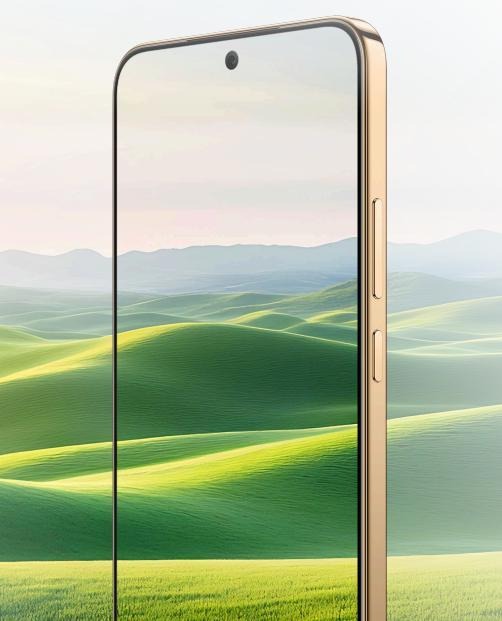
Smartphones have become integral to our daily lives, serving as primary tools for communication, content consumption, and entertainment. Display quality plays a crucial role in shaping the user experience by influencing how users interact with their devices. A smartphone’s display can significantly affect comfort and efficiency in daily activities, from checking emails to streaming movies. Factors such as brightness, color accuracy, refresh rate, and resolution are key components that determine how users perceive and enjoy their screens. Understanding these elements can help consumers make informed purchasing decisions and optimize their smartphone experience.
Key Display Factors That Shape User Experience
A smartphone’s display quality hinges on multiple technical factors, each contributing uniquely to the overall user experience.
Resolution, Pixel Density, and Clarity
The resolution and pixel density of a smartphone display are fundamental to ensuring visual clarity. Resolution refers to the number of pixels on the screen, usually denoted as width x height (e.g., 1080×2340), influencing how detailed and sharp images appear. Pixel density, measured in pixels per inch (PPI), indicates how closely packed these pixels are. Higher PPI results in finer detail and text rendering, allowing for smooth and crisp visuals, particularly crucial when watching high-definition videos or editing photos. Users who frequently engage in activities that require precision, such as graphic design or detailed gaming, benefit greatly from displays with high resolution and pixel density.
Brightness and Visibility in Different Environments
Brightness determines how well a display can be seen in various lighting conditions, directly affecting usability and comfort. High brightness levels are essential for maintaining visibility in outdoor environments where sunlight can obscure screen contents. Conversely, displays with adaptive brightness technologies seamlessly adjust to ambient light, enhancing indoor viewing without causing glare. Smartphones like the HONOR X9d showcase how modern devices optimize brightness and visibility to ensure consistent viewing experiences across different environments. For users who spend considerable time outdoors or frequently transition between lighting conditions, such features significantly improve usability and satisfaction.
Color Accuracy, Contrast, and Realism
Color accuracy and contrast are critical for delivering realistic images and videos on smartphone displays. Accurate color reproduction ensures the display presents hues as intended, vital for activities involving multimedia consumption and online shopping, where visual representation matters. Superior contrast ratios enhance the distinction between dark and light areas, contributing to depth and detail in images. OLED and AMOLED displays are renowned for their excellent color accuracy and contrast levels, offering deeper blacks and vibrant colors that enhance viewing pleasure. When display technology preserves the integrity of color and contrast, users benefit from immersive and true-to-life visual experiences tailored to meet various personal and professional needs.
How Display Quality Affects Daily Usage?
Smartphone displays are central to daily tasks, profoundly affecting user engagement during activities like reading, streaming, and gaming.
Reading, Streaming, and Content Consumption
Displays with high resolution and vibrant color accuracy enhance the experience of reading, streaming, and consuming various forms of digital content. For avid readers, text clarity ensures that reading e-books or browsing articles is effortless, allowing users to focus on content without eye strain. Streaming enthusiasts benefit from displays that offer rich colors and high contrast, crucial for enjoying movies and videos with cinematic quality. Enhanced clarity and realism ensure that on-screen visuals reflect actual colors, making online shopping and browsing a more accurate and engaging experience. Furthermore, displays capable of accommodating varying content formats provide users with versatility, adapting seamlessly from reading a novel to enjoying dynamic video content.
Gaming, Scrolling, and Refresh Rate Impact
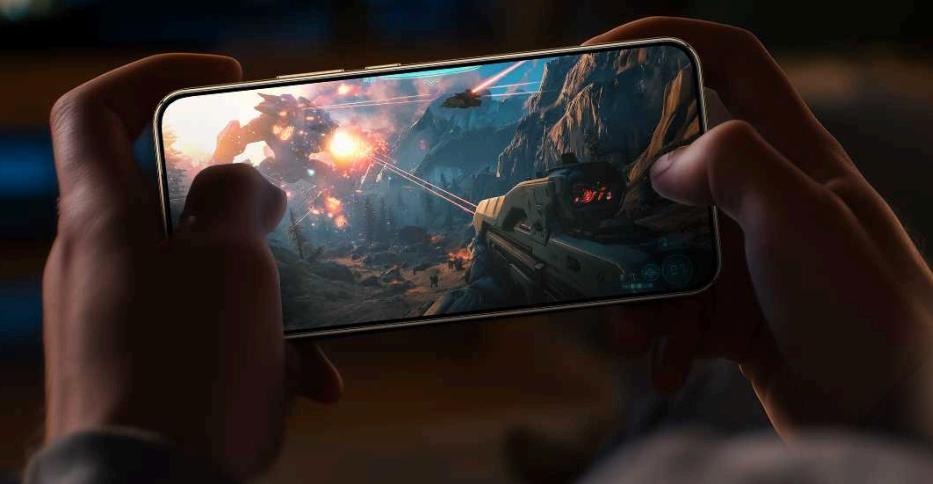
A display’s refresh rate plays a pivotal role in gaming and fast-paced activities like scrolling through social media feeds. Measured in hertz (Hz), a higher refresh rate translates to smoother visual transitions and reduced motion blur, essential for action-packed games and swift navigation. Gamers rely on displays with rates of 90Hz or higher to experience fluid motion and precision timing during gameplay. Meanwhile, casual users appreciate the inclusion of higher refresh rates as it enhances the responsiveness and fluidity of interactions on their devices. Additionally, touch responsiveness complements refresh rate, ensuring that devices react promptly to user commands.
Display Quality and Its Impact on Eye Comfort
Smartphone displays influence eye comfort significantly, affecting users’ ability to enjoy their devices without discomfort or strain.
Blue Light, Flicker, and Visual Fatigue
Exposure to blue light emitted from smartphone displays can strain the eyes and disrupt sleep patterns. Features like blue light filtering and night mode mitigate these effects by adjusting color temperatures to warmer tones, easing visual output during extended viewing sessions. Flicker, a rapid fluctuation in screen brightness, also contributes to visual discomfort, resolved by implementing flicker-free technologies. Users who spend long hours on their devices benefit from displays that address these issues, promoting healthier interaction with digital content. By choosing smartphones equipped with blue light filters and flicker mitigation, users prioritize eye health and comfort, allowing prolonged engagement without compromise.
Features That Improve Long-Term Viewing Comfort
To support long-term viewing comfort, many smartphones adopt technologies designed to minimize eye strain and enhance usability. Adaptive brightness automatically adjusts the screen’s luminance based on ambient conditions, reducing glare and promoting comfort during extended use. Low blue light certifications from bodies like TÜV Rheinland illustrate devices optimized for eye health, ensuring users can enjoy lengthy sessions without tension or fatigue. Additionally, displays offering customizable settings allow users to tailor visual output according to personal preferences, further reducing discomfort during prolonged interactions. This focus on viewing comfort reflects the industry shift towards more user-centric design, emphasizing well-being alongside performance.
Conclusion
Smartphone display quality significantly impacts user experience, affecting various aspects of comfort, performance, and daily use. By evaluating key factors such as resolution, brightness, refresh rate, and color accuracy, users can make informed decisions when choosing devices suited to their needs. A focus on eye comfort and customizable settings ensures displays meet diverse requirements and promote healthy digital interactions. As technology advances, smartphone displays continue to evolve, offering unparalleled experiences that integrate performance with user-centric design. Understanding these factors empowers users to optimize their smartphone experience and achieve seamless integration into their digital lifestyles.
