
Introduction
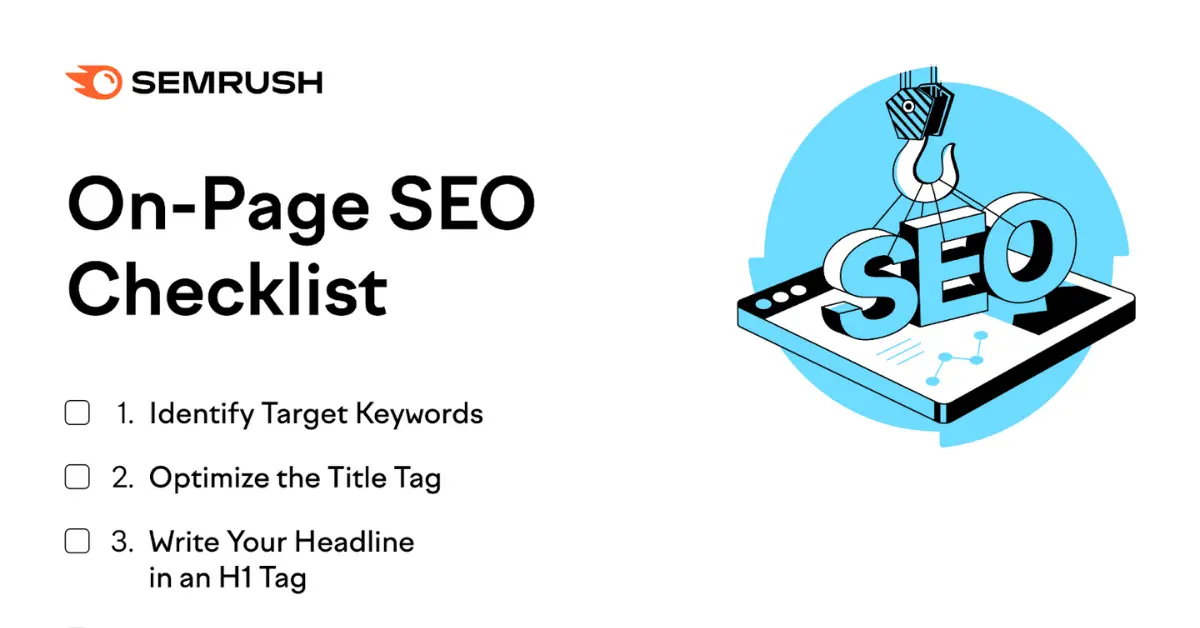
If you want your website to appear on the first page of Google, mastering your on page SEO checklist is essential. On-page SEO helps search engines understand your content and shows them why it deserves a higher position in search results. This detailed guide breaks down every important on page SEO factor you need to focus on in 2025. By following this checklist, you will not only improve your rankings but also create a better experience for your readers.
What Is On Page SEO?
You May Also Like It:
Guest Posting Service Grow Your Website Authority
Write Guest Post Boost Your Website Authority
SEO Migration Service by Thealite Boost Your Rankings
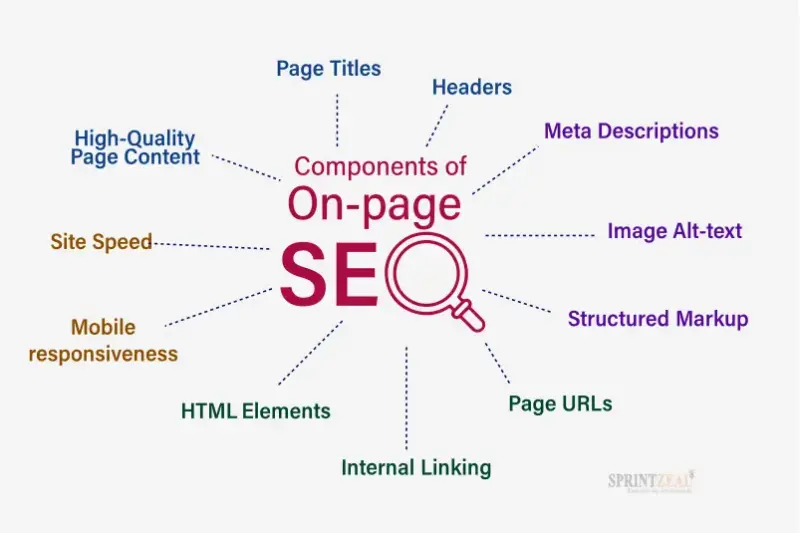
On page SEO (also known as SEO onpage) is the process of optimizing individual web pages to rank higher in search engines. It involves improving the content, structure, and HTML elements of your website to make it easier for both users and search engines to understand.
Simply put, on page SEO tells Google what your page is about and why it’s relevant to a user’s query. It’s the foundation of all SEO strategies and plays a huge role in your overall success.
Why an On Page SEO Checklist Is Important
Without a clear checklist, it’s easy to miss critical factors that impact rankings. A structured onpage SEO checklist ensures that every important detail—like meta tags, internal links, and mobile optimization—is covered.
A good checklist helps you:
- Maintain consistency across all pages.
- Save time during optimization and audits.
- Ensure your site is user-friendly and SEO-friendly.
- Improve click-through rates and dwell time.
The Ultimate On Page SEO Checklist (2025 Edition)
Below is a comprehensive on page SEO checklist you can apply to any website, regardless of niche or size.
Conduct In-Depth Keyword Research
Before creating or optimizing any content, identify the main keyword for the page.
For this guide, the main keyword is on page SEO checklist.
Tips for effective keyword research:
- Focus on relevant primary and secondary keywords.
- Analyze search intent—what users actually want to know.
- Use keyword variations like on page SEO factors and SEO onpage naturally in your content.
Optimize the Title Tag
The title tag is one of the strongest on page SEO signals. It tells both users and search engines what the page is about.
Best practices:
- Keep the title under 60 characters.
- Include your main keyword near the beginning.
- Make it attractive and benefit-driven.
Example:
On Page SEO Checklist: Step-by-Step 2025 Optimization Guide
Write an Engaging Meta Description
While meta descriptions don’t directly impact rankings, they significantly affect click-through rates.
Tips:
- Keep it under 155 characters.
- Use the primary keyword once.
- Add a reason to click, such as a benefit or action phrase.
Example:
“Follow this complete on page SEO checklist to optimize your website for 2025 and improve rankings, traffic, and conversions.”
Use Proper Heading Structure
A clear heading hierarchy helps both search engines and readers understand your content.
Checklist:
- Use only one H1 tag per page (include the main keyword).
- Use H2s for main sections and H3s for sub-points.
- Avoid overusing keywords in headings.
- Proper structure improves readability, engagement, and crawlability.
Create High-Quality Content
No checklist can replace quality. Google’s Helpful Content Guidelines emphasize content that is written for people, not algorithms.
Your content should:
- Provide genuine value and practical insights.
- Include examples, comparisons, or case studies.
- Be factually accurate and original.
- Be easy to read, with short paragraphs and clear formatting.
High-quality, experience-based writing increases trust and helps your content stand out.
Optimize URL Structure
A clean and descriptive URL improves both user experience and rankings.
Best practices:
- Keep URLs short and keyword-focused.
- Avoid unnecessary words, symbols, or numbers.
- Example: yourdomain.com/on-page-seo-checklist
Use Internal Linking
Internal links connect your content and help search engines understand site hierarchy.
Checklist:
- Link to related articles using descriptive anchor text.
- Avoid excessive linking; keep it natural.
- Regularly check for broken internal links.
Internal linking improves navigation and keeps users on your site longer.
Add and Optimize Images
Visual elements make your content more engaging, but they must be optimized for SEO.
Best practices:
- Use relevant images with descriptive filenames.
- Add alt text containing your keyword.
- Compress images to improve load speed.
- Prefer modern formats such as WebP for better performance.
Improve Page Loading Speed
Website speed is a crucial on page SEO factor that directly affects user experience and rankings.
Tips:
- Compress images and cache pages.
- Use a reliable hosting provider.
- Minimize redirects and remove unnecessary scripts.
- Aim for a load time under two seconds.
A fast website keeps visitors engaged and reduces bounce rates.
Make the Site Mobile-Friendly
With most users accessing the web through mobile devices, mobile optimization is essential.
Steps to ensure mobile compatibility:
- Use a responsive design.
- Optimize images and text for smaller screens.
- Avoid pop-ups that block content.
- Test your site using Google’s Mobile-Friendly Test.
Include Schema Markup
Schema markup helps search engines understand your content better and can increase visibility with rich results.
Common schema types:
- Article schema for blog posts.
- FAQ schema for Q&A sections.
- Product or review schema for e-commerce sites.
Adding schema enhances your chances of earning rich snippets and improving CTR.
Focus on Readability and User Experience
Good on page SEO isn’t just about keywords—it’s about how users interact with your content.
Checklist:
- Write short, simple sentences.
- Use subheadings, bullet points, and numbered lists.
- Maintain a logical flow from start to finish.
- Ensure proper contrast, font size, and spacing.
A user-friendly page keeps readers engaged and signals quality to search engines.
Use Outbound Links to Trusted Sources
Linking to credible sources builds authority and trust.
Tips:
- Choose reliable, high-quality websites.
- Use relevant anchor text.
- Limit to a few external links per article.
This shows search engines that your content is well-researched and trustworthy.
Add a Clear Call-to-Action (CTA)
Every optimized page should guide the user to the next step.
Examples:
- Encourage readers to subscribe to a newsletter.
- Invite them to read a related article.
- Offer a downloadable checklist or resource.
CTAs improve engagement and help achieve your marketing goals.
Regularly Update and Audit Your Content
SEO trends and algorithms evolve constantly. Keeping your content fresh signals relevance to Google.
Best practices:
- Update key statistics or facts every few months.
- Add new examples or case studies.
- Refresh old content and meta tags.
- Recheck your on page SEO checklist quarterly.
Quick Summary: On Page SEO Factors
| On Page SEO Factor | Description | Importance |
|---|---|---|
| Title & Meta Tags | Define topic and influence clicks | High |
| Headings | Organize content for readers & crawlers | High |
| Keywords | Align content with search intent | High |
| Content Quality | Core of user engagement | Very High |
| Page Speed | Affects UX and ranking | Very High |
| Internal Links | Build structure and authority | Medium |
| Mobile Optimization | Improves accessibility | High |
| Schema Markup | Enhances rich results | Medium |
Common On Page SEO Mistakes to Avoid
You May Also Like It:
Advanced Technical SEO in Australia Thealite Tips
High DA Guest Post Boost SEO with Quality Backlinks
Social Media Service Thealite Grow Your Brand Online
- Overusing keywords in content or headings.
- Neglecting mobile responsiveness.
- Using duplicate meta titles and descriptions.
- Forgetting image optimization.
- Ignoring internal link opportunities.
Avoiding these mistakes ensures your on page SEO checklist delivers consistent long-term results.
FAQs About On Page SEO Checklist
What is the main goal of on page SEO?
The main goal of on page SEO is to make your content understandable and valuable for both users and search engines.
How often should I review my on page SEO?
You should review and update your on page SEO every few months or whenever you make major content changes.
Which tools are best for on page SEO analysis?
Popular tools include Yoast SEO, Rank Math, Ahrefs, and Google Search Console.
Does keyword placement still matter in 2025?
Yes, but placement should be natural. Focus on intent and readability rather than density.
Can on page SEO alone guarantee high rankings?
No, but it provides the foundation. Combine it with off-page and technical SEO for the best results.
How long does it take to see results from on page SEO?
Results usually appear within 4 to 8 weeks, depending on competition and domain strength.
Conclusion
A strong on page SEO checklist ensures your content is optimized for both people and search engines. By focusing on essential on page SEO factors like title tags, content quality, page speed, and mobile optimization, you create a foundation for sustainable growth. Remember, SEO isn’t about quick wins—it’s about consistent improvement. Follow this on page SEO checklist, monitor your results, and keep refining your strategy. With time and effort, your rankings will naturally rise.
You May Also Like It:
Content Writing Thealite High-Quality and SEO Friendly
Website Design Service Thealite Stunning and Responsive
